Signs Your Dog Is Overheating and How to Cool Them Down Fast
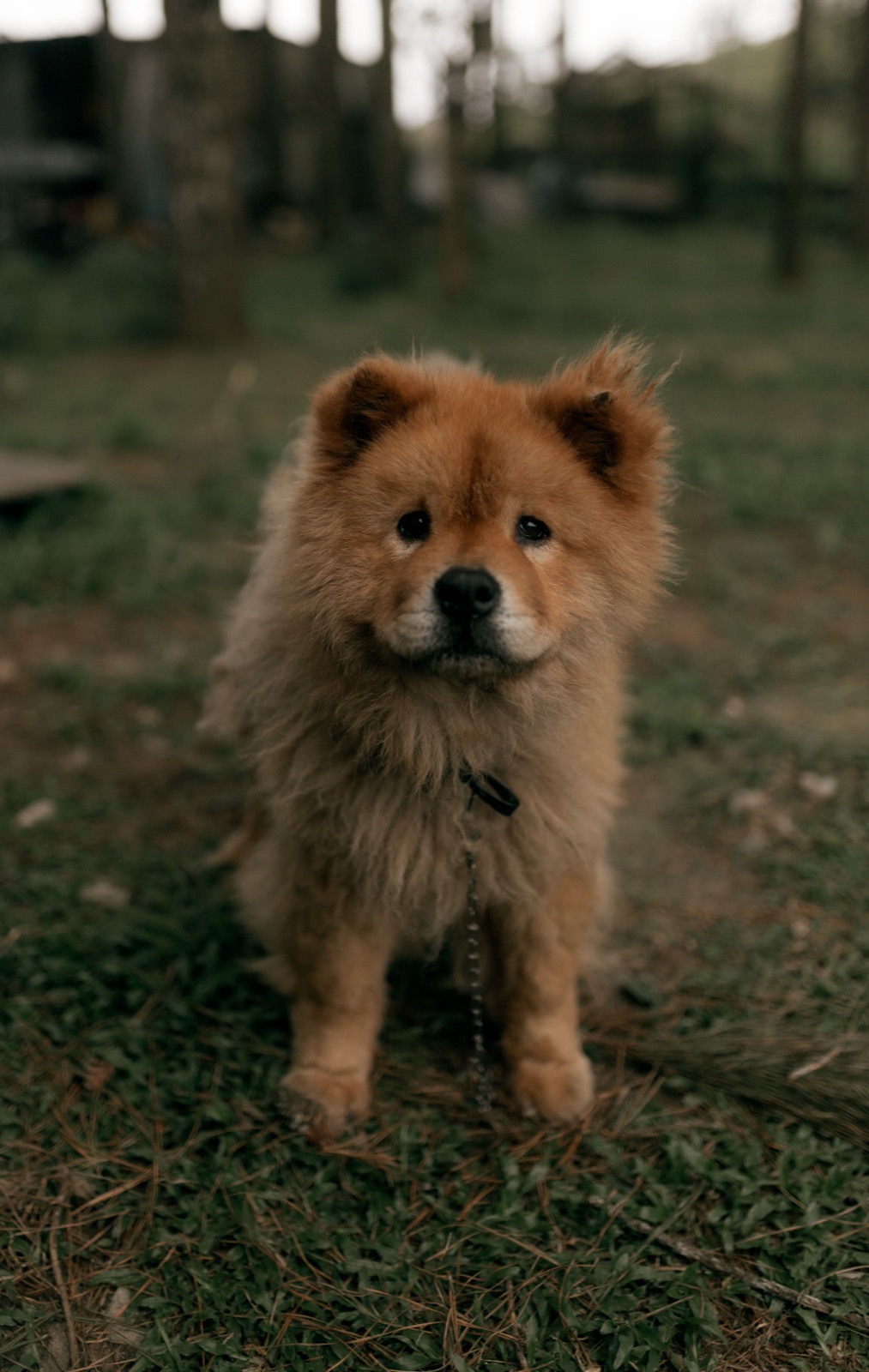
As much as we adore those long, sunny days and outdoor adventures with our furry family members, it’s crucial to remember that our canine companions don't regulate their body temperature quite like we do. A fun afternoon can quickly turn dangerous if we're not careful about the heat. Here at Hearth & Hound, with Bear's energetic sprints and Charlotte's cool composure, we've learned a thing or two about keeping pets safe and comfortable.
Today, we're diving deep into a super important topic for every dog owner: recognizing the critical signs your dog is overheating and, more importantly, how to cool them down fast and effectively. Understanding these warning signals and having a plan can be a lifesaver for your beloved pup.
Why Recognizing Overheating Matters for Your Dog
Ignoring the signs of overheating in dogs isn't just uncomfortable for them; it can be incredibly dangerous, leading to severe health complications. Here's why staying vigilant is so vital:
- Preventing Heatstroke: The most severe consequence of overheating, heatstroke, can cause organ damage, brain swelling, and can be fatal if not treated immediately.
- Protecting Internal Organs: Prolonged high body temperature can damage vital organs like the kidneys, heart, and liver, leading to long-term health issues.
- Avoiding Dehydration: Excessive panting, a primary cooling mechanism for dogs, can lead to significant fluid loss, causing dehydration.
- Ensuring Comfort and Well-being: Even mild overheating can make your dog miserable, affecting their mood, energy, and overall quality of life.
- Saving on Vet Bills: Early intervention is key. Addressing overheating promptly can prevent it from escalating into an emergency that requires expensive veterinary care.
Understanding How Dogs Overheat
Unlike humans who sweat through their skin, dogs primarily cool themselves by panting and through the pads of their paws. This system is less efficient, especially in high humidity, which makes it harder for evaporated moisture to carry heat away. Factors like breed (brachycephalic or "flat-faced" breeds like pugs and bulldogs are more susceptible), age, weight, and underlying health conditions can also increase a dog's risk of overheating.
Key Signs Your Dog Is Overheating
Knowing what to look for is the first step in prevention. Here are the crucial signs your dog is overheating, ranging from mild to severe. If you notice any of these, it's time to act!
Mild to Moderate Overheating Signals
- Excessive Panting: This is often the first sign. While normal after exercise, if it's continuous, heavy, and doesn't subside, it's a red flag.
- Increased Thirst: Your dog will likely seek out water more frequently.
- Dark Red Gums: Healthy gums are pink. Overheated gums can appear very red or even bluish/purple in severe cases.
- Increased Heart Rate: You might notice their heart beating faster than usual.
- Lethargy or Weakness: Your usually playful pup might seem tired, slow, or reluctant to move.
- Dizziness or Disorientation: They might stumble, seem confused, or have trouble maintaining balance.
- Vomiting or Diarrhea: These can be signs of digestive distress due to heat stress.
Severe Overheating (Heatstroke) Signs
If you observe any of these, consider it an emergency and seek veterinary attention immediately while initiating cooling measures.
- Staggering or Collapse: Inability to stand or walk properly.
- Seizures: Uncontrolled muscle contractions.
- Profuse Drooling: Thick, excessive saliva.
- Unconsciousness: Your dog becomes non-responsive.
- Glazed Eyes: A fixed, vacant stare.
- Body Temperature Above 104°F (40°C): While you might not have a thermometer, this is the critical threshold.
How to Cool Your Dog Down Fast
Time is of the essence when your dog is overheating. Here's a step-by-step guide on what to do:
- Move to a Cooler Area Immediately: Get your dog out of direct sunlight and into an air-conditioned room, a shady spot, or in front of a fan.
- Offer Water: Provide fresh, cool water. Don't force them to drink, and avoid ice-cold water, which can cause stomach upset.
- Apply Cool Water (Not Ice Cold):
- Wet Towels: Drape cool, wet towels over your dog's neck, armpits, and groin area. These are areas where major blood vessels are close to the surface, allowing for efficient cooling.
- Sponge or Hose: Gently sponge or hose down their body with cool (not freezing) water. Focus on the belly, chest, and paws.
- Avoid Ice Baths: While it might seem intuitive, ice-cold water can cause blood vessels to constrict, trapping heat inside, and can lead to shock.
- Use a Fan: Position a fan to blow air over your dog's wet fur. The evaporation will help cool them down even faster.
- Monitor Temperature (if possible): If you have a rectal thermometer, monitor their temperature. Stop cooling efforts once their temperature drops below 103°F (39.4°C) to prevent hypothermia.
- Contact Your Veterinarian: Even if your dog seems to recover, it's always best to contact your vet. Overheating can have delayed complications. They can advise you on whether an immediate visit is necessary.
We believe in empowering pet parents with the best information and tools to care for their furry family. That's why we've put together a free recipes for delicious, vet-informed dog treats perfect for keeping your pup happy and hydrated. It's a great way to show them some love!
Common Mistakes to Avoid When Cooling an Overheated Dog
- Using Ice or Ice-Cold Water: As mentioned, this can be counterproductive and dangerous. Stick to cool, not freezing, water.
- Forcing Your Dog to Drink: Let them drink at their own pace. Forcing water can cause them to inhale it, leading to aspiration pneumonia.
- Cooling Too Quickly: Rapid temperature drops can lead to shock. Aim for gradual, steady cooling.
- Ignoring the Vet: Even after your dog seems better, internal damage might have occurred. A vet check-up is crucial.
- Leaving Them Unattended: Always stay with your dog and monitor their condition closely during the cooling process.
Frequently Asked Questions
What is the difference between heat exhaustion and heatstroke in dogs?
Heat exhaustion is an earlier, milder stage of overheating, characterized by heavy panting, weakness, and elevated body temperature (often between 103-104°F). If not addressed, it can progress to heatstroke, which is a life-threatening emergency with temperatures above 104°F, marked by severe symptoms like collapse, seizures, and organ damage.
Can all dog breeds get heatstroke, or are some more susceptible?
While any dog can suffer from heatstroke, some breeds are indeed more susceptible. Brachycephalic (flat-faced) breeds like Bulldogs, Pugs, and Boxers have compromised airways that make panting less effective. Very old, very young, overweight, or dogs with underlying heart or respiratory conditions are also at higher risk.
How can I prevent my dog from overheating in the first place?
Prevention is key! Always provide access to fresh water and shade. Avoid walking or exercising your dog during the hottest parts of the day (usually 10 AM to 4 PM). Never leave your dog in a parked car, even for a few minutes, as temperatures can rise rapidly. Consider cooling vests, mats, or even a kiddie pool for outdoor fun. Bear loves splashing in his!
What should I do if my dog collapses from heatstroke?
If your dog collapses, this is a severe emergency. Immediately move them to a cooler area, begin applying cool (not cold) water to their body, especially the groin, armpits, and paws, and use a fan if available. Call your emergency vet on the way to the clinic, as immediate veterinary intervention is critical for survival.
Is it safe to give my dog ice cubes when they're hot?
Offering a few ice cubes for your dog to lick can be okay as a treat on a hot day, but avoid giving large quantities of ice or ice water, especially if your dog is already showing signs of overheating. This can cause their blood vessels to constrict, leading to poor circulation and potentially trapping heat, or even cause stomach upset.
Final Thoughts
Our dogs rely on us to keep them safe, especially when the temperatures rise. By understanding the signs of overheating and knowing how to respond quickly, you can protect your furry family member from serious heat-related illness. Stay vigilant, stay prepared, and enjoy those precious moments with your pup responsibly. Here’s to many more happy, healthy adventures together!