Can Dogs Eat Peanut Butter? Safe Brands, Portions & Warnings
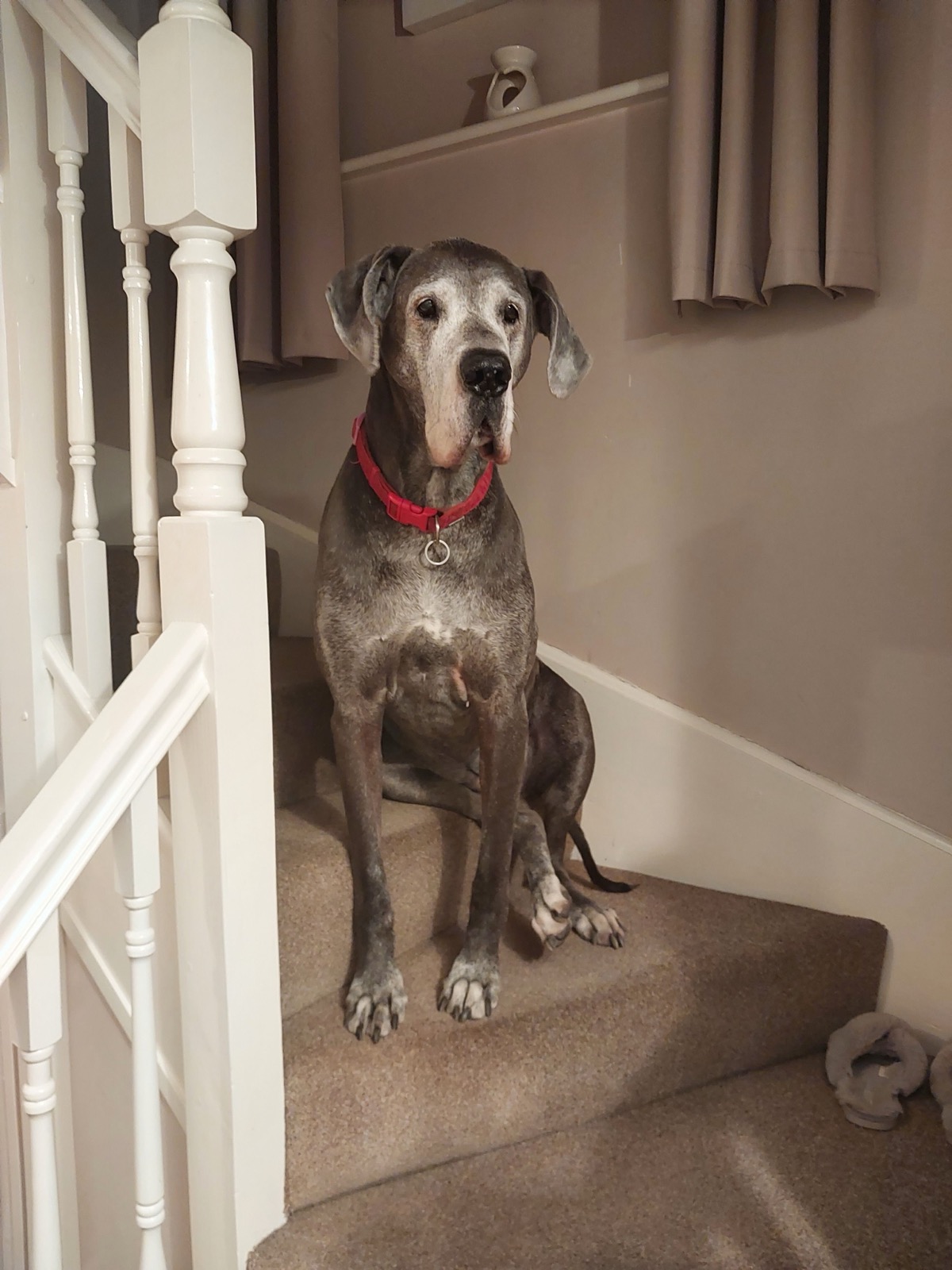
Yes, most dogs can eat peanut butter, and most of them would trade a limb for it. The one rule that actually matters: the jar must be xylitol-free. Xylitol is a sugar substitute that's harmless to us and toxic to dogs, and it turns up in some "no sugar added" peanut butters. Read the label before the first spoonful. Bear hears the lid pop from another room.
Is peanut butter good for dogs?
Plain peanut butter has protein, healthy fats, and vitamins B and E. In small amounts it's a genuinely useful treat, great for hiding a pill, stuffing a Kong, or rewarding a hard training session. It is also calorie-dense (you can see just how dense in USDA FoodData Central), so it's a topping, not a food group.
- Protein and healthy fats for energy.
- Vitamins B and E, plus niacin.
- Sticky texture that makes slow-feeder toys last.
The xylitol warning every dog owner needs
Xylitol (sometimes listed as "birch sugar") can cause a dangerous drop in a dog's blood sugar and liver damage, fast. It's the single reason "can dogs eat peanut butter" is a question worth asking. Check the ingredient list every time, because brands reformulate. If a jar lists xylitol or birch sugar, keep it for yourself. For the full list of kitchen ingredients to watch, see our guide to human foods that are toxic to dogs. The American Kennel Club flags the same thing.
How much peanut butter can a dog have?
Treats, including peanut butter, should stay under about 10% of your dog's daily calories. A rough guide: half a teaspoon for a small dog, up to a tablespoon for a large one, and not every day. Choose an unsalted, no-sugar-added, xylitol-free peanut butter, ideally one where the only ingredient is peanuts. If you want to know your dog's actual daily calories, run the numbers through our dog food calculator.
Easy ways to serve it
- Smear a thin layer inside a Kong and freeze it for a long-lasting project.
- Use a pea-sized dab to hide a tablet.
- Bake it into treats, like our 3-ingredient peanut butter dog treats.
When to skip it and call your vet
Skip peanut butter if your dog is overweight, prone to pancreatitis, or has had a bad reaction to fatty foods, the fat content is the problem there, not the peanuts. And if your dog gets into a jar that contained xylitol, treat it as an emergency and call your vet or an animal poison line right away. Peanut butter is a treat, not a health food. If you want treats that pull their weight nutritionally, that's the whole idea behind our dog cookbook.
Frequently asked questions
What kind of peanut butter is safe for dogs?
An unsalted, no-sugar-added peanut butter with no xylitol, ideally one whose only ingredient is peanuts. Natural peanut butters that separate (oil on top) are usually the simplest and safest, just stir them.
How do I know if peanut butter has xylitol?
Read the ingredient list. Look for "xylitol" or "birch sugar." It's most common in products labeled sugar-free or keto-friendly. When in doubt, don't give it.
Can puppies eat peanut butter?
In tiny amounts, yes, once they're on solid food, and only xylitol-free. Keep portions small so treats don't crowd out the balanced puppy food they need to grow.
My dog ate peanut butter with xylitol. What do I do?
Call your veterinarian or a pet poison hotline immediately, even before symptoms appear. Xylitol poisoning moves quickly, and fast treatment makes a real difference.
Want treats you can trust ingredient by ingredient? Grab our free Starter Pack of five real-food recipes on the homepage. 🐾