Crate Training a Puppy Without the Crying: A Gentle Guide
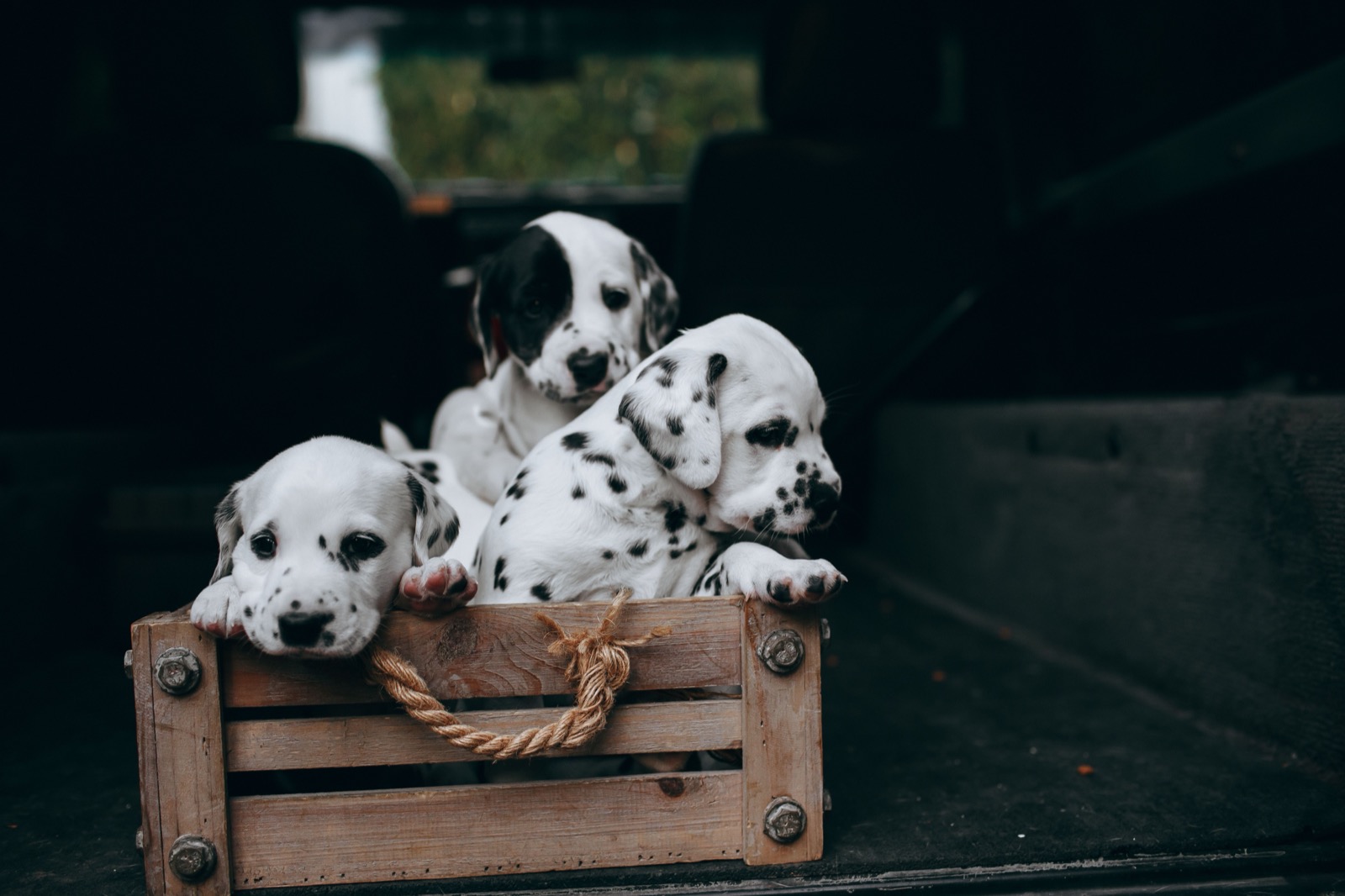
Bringing a new puppy home is one of life's greatest joys! There are wagging tails, tiny paws pitter-pattering, and endless snuggles. But with all that excitement comes the important task of teaching your little one the ropes of their new world. One of the most valuable lessons you can impart is how to love their crate. We know the thought of crate training a puppy can sometimes bring up images of sad whimpers and sleepless nights, but we're here to show you that it doesn't have to be that way. With a gentle, positive approach, you can help your puppy see their crate as a safe, cozy den, not a punishment.
Here at Hearth & Hound, with Bear's enthusiastic (and sometimes overly expressive) input and Charlotte's calm wisdom, we've learned a thing or two about making puppies feel secure. Our goal is to guide you through a method that builds confidence and comfort, ensuring your puppy settles happily into their new home without unnecessary crying.
Why Crate Training a Puppy Matters
Crate training isn't just about giving you a break; it's a vital tool for your puppy's well-being and your household harmony. Here's why it's so important:
- Safety & Security: A crate provides a secure, personal space where your puppy can retreat and feel safe from household hazards or overwhelming situations.
- Potty Training Aid: Dogs naturally avoid soiling their sleeping area. A properly sized crate is an invaluable aid in teaching your puppy bladder and bowel control.
- Prevents Destructive Behavior: When unsupervised, puppies can chew on furniture, electrical cords, or other dangerous items. The crate keeps them (and your belongings) safe.
- Travel & Vet Visits: A dog comfortable in a crate will be much less stressed during car rides, vet visits, or stays at a kennel or pet sitter's home.
- Promotes Independent Play & Rest: It teaches your puppy to be comfortable alone, reducing separation anxiety later on. It also ensures they get adequate rest, which is crucial for growth.
- Establishes Routine: Crates help establish a predictable daily routine for sleep, play, and potty breaks, which puppies thrive on.
The Gentle Approach to Crate Training
Our method focuses on making the crate a desirable place, not a place of confinement. It's a gradual process, built on positive associations.
Choosing the Right Crate
First, select a crate that's the right size. Your puppy should be able to stand up, turn around, and lie down comfortably. If you have a large breed puppy, consider a crate with a divider so you can expand the space as they grow. Too large a crate initially allows them to use one end as a potty area.
Gather Your Supplies
- A comfortable bed or blanket for inside the crate.
- Safe, durable chew toys (like a Kong stuffed with peanut butter or plain yogurt).
- High-value treats your puppy loves.
- A cover for the crate (optional, but can help create a den-like feel).
Instructions: Building a Positive Crate Experience
This isn't a race; go at your puppy's pace. Patience is key!
-
Introduction & Exploration (No Pressure!)
Place the crate in a busy area of your home, like the living room, so your puppy doesn't feel isolated. Leave the door open. Toss treats near and then inside the crate. Let your puppy explore it on their own terms. Never force them in.
Goal: Puppy willingly approaches and enters the crate to get treats.
-
Mealtime Magic
Start feeding your puppy their meals inside the crate. Place the food bowl just inside the door, then gradually move it further back as they get more comfortable. Once they are happily eating inside, you can gently close the door for a few seconds while they eat, opening it immediately after they finish. Gradually increase the time the door stays closed.
Goal: Puppy associates the crate with delicious food and doesn't mind the door being closed for short periods.
-
Treats & Toys: Crate as a Happy Place
Offer special, high-value chew toys (like a stuffed Kong) *only* when your puppy is in their crate. This makes the crate a desirable place to be. Give the toy, encourage them into the crate, and gently close the door. Stay nearby initially. Let them enjoy the treat for 5-10 minutes, then open the door. Repeat several times a day.
Goal: Puppy willingly enters the crate for special treats and learns to settle there for short durations.
-
Short Absences & Gradual Increase
Once your puppy is comfortable spending 10-15 minutes happily in their crate with a chew toy, start leaving the room for a minute or two. Return before they show any signs of distress. Gradually increase the time you're away. Always return calmly, don't make a big fuss. When you let them out, immediately take them outside for a potty break.
Goal: Puppy can comfortably be left alone in the crate for increasing periods without distress.
-
Overnight Stays
For nighttime, place the crate in your bedroom or very close by. This proximity provides comfort and allows you to hear if your puppy needs a potty break. Follow the same principles: a potty break right before bed, a comfy bed, and perhaps a safe chew toy. If your puppy cries, wait a few minutes to see if they settle. If not, take them out for a quick, boring potty break (no play!), then immediately back into the crate.
We've found that having Bear's crate right next to our bed during his puppy months made a huge difference in his comfort and our peace of mind.
Goal: Puppy sleeps through the night (with appropriate potty breaks) in their crate.
To help you on your journey, we've put together a collection of our favorite, vet-informed dog treat recipes that are perfect for crate training or just spoiling your furry friend! You can grab your free recipes to get started today.
Common Mistakes to Avoid
- Using the Crate as Punishment: Never use the crate as a place to scold or punish your puppy. This will create negative associations and make them fear it.
- Rushing the Process: Every puppy is different. Don't force them to stay in the crate longer than they're comfortable. Go at their pace, even if it feels slow.
- Ignoring Potty Needs: Puppies, especially young ones, have tiny bladders. If your puppy is crying in the crate, they might genuinely need to go out. Always offer a potty break before and after crate time.
- Leaving Them Too Long: A puppy should not be left in a crate for excessive periods. The general rule is their age in months plus one, in hours (e.g., a 3-month-old puppy can be crated for about 4 hours). This excludes nighttime sleep, where they can often hold it longer.
- Making a Big Deal Out of Departures/Returns: Keep hellos and goodbyes calm and low-key. Over-excitement can contribute to separation anxiety.
Frequently Asked Questions
My puppy cries when I put them in the crate. What should I do?
First, ensure they've had a potty break and aren't hungry or thirsty. If the crying persists, it likely means you've moved too quickly. Go back a step or two in the training process. Re-establish positive associations with treats and toys, and gradually increase crate time. Never let them out while they are actively crying, as this teaches them that crying gets them what they want. Wait for a brief pause in crying, then let them out calmly and take them for a potty break.
How long does crate training usually take?
The time varies greatly depending on the individual puppy. Some puppies take to it in a few days, while others might need several weeks or even a month or two. The key is consistency, patience, and positive reinforcement. Don't get discouraged if it takes longer than expected.
Should I cover the crate?
Many puppies find a covered crate more comforting as it mimics a den, making them feel more secure and reducing visual distractions. You can use a blanket, towel, or a purpose-made crate cover. However, some puppies prefer an open view. Experiment to see what your puppy prefers. Ensure good ventilation if you cover it.
Can I leave water in the crate with my puppy?
For short periods (a few hours), it's generally fine to not leave water, especially if your puppy tends to spill it or use it to play. However, for longer periods, especially overnight or during warmer weather, it's a good idea to provide water. Look for spill-proof bowls that attach to the inside of the crate to prevent messes.
What if my puppy soils their crate?
If your puppy soils their crate, it's usually one of two reasons: either the crate is too large (allowing them to potty in one corner and sleep in another) or they were left in for too long and couldn't hold it. Clean the crate thoroughly with an enzymatic cleaner to eliminate odors. Re-evaluate the crate size and adjust your schedule to include more frequent potty breaks.
Final Thoughts
Crate training a puppy without the crying is a journey of patience, understanding, and positive reinforcement. Remember, you're teaching your new family member a life skill that will benefit them for years to come. By making the crate a safe, happy place filled with good associations, you'll not only minimize tears but also build a stronger bond with your puppy. Stay consistent, stay kind, and enjoy watching your little one grow into a confident, well-adjusted companion!