Stop Leash Pulling: Gentle Solutions for a Relaxing Walk
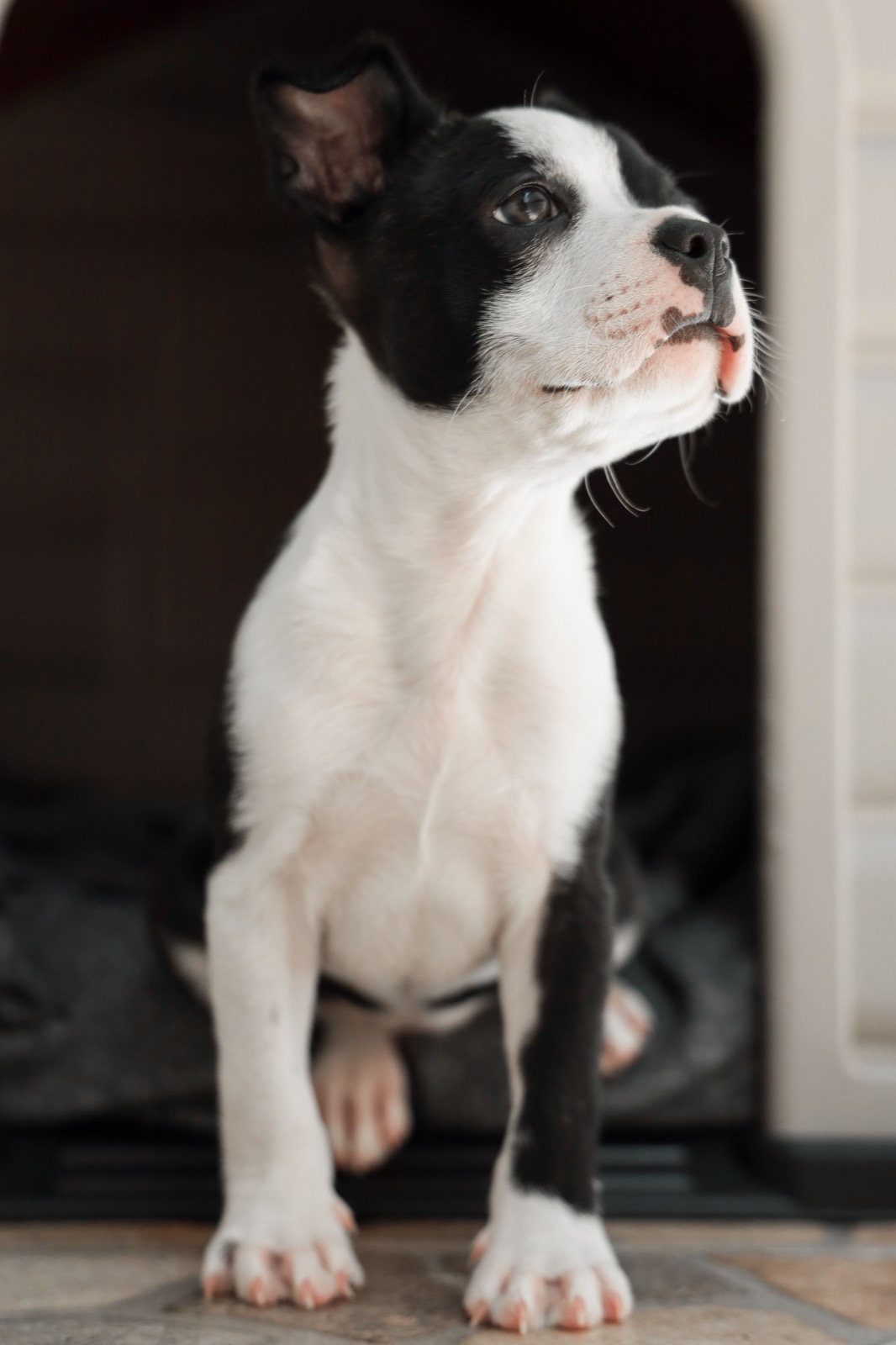
There’s nothing quite like the joy of a good walk with your dog. The fresh air, the sights, the smells… it’s a time for bonding and exercise. But for many dog parents, that idyllic scene is often interrupted by a strong, determined tug at the end of the leash. If you’ve ever felt like your arm is going to be pulled out of its socket, or found yourself being dragged down the street by an enthusiastic (but unruly) pup, you know the frustration of leash pulling. Here at Hearth & Hound, we believe every walk should be a happy experience for both ends of the leash. That’s why we’re diving deep into how to stop leash pulling, offering gentle, effective solutions that will have you and your best friend enjoying peaceful strolls in no time.
Bear, our energetic Dalmatian, certainly had his moments of wanting to lead the expedition!
Why Leash Pulling Matters
Beyond the immediate discomfort, leash pulling can have several negative impacts on both you and your dog. Understanding these can motivate you to tackle the issue head-on with patience and consistency.
- Physical Strain for You: Constant pulling can lead to shoulder, back, and arm pain, making walks a chore rather than a pleasure.
- Risk of Injury for Your Dog: A dog pulling hard against a flat collar can put significant pressure on their trachea, potentially causing damage or discomfort. It can also lead to neck strain.
- Reduced Enjoyment: When you're constantly bracing for a tug, you can't fully relax and enjoy the walk, missing out on precious bonding time.
- Safety Concerns: A dog that pulls unexpectedly can cause you to lose your balance, especially on uneven terrain, leading to falls. It also makes it harder to control your dog in potentially dangerous situations (e.g., near traffic or other dogs).
- Limited Exploration: If your dog is always straining forward, they might not be able to stop and sniff, which is a crucial and enriching part of a dog's walk.
- Behavioral Escalation: For some dogs, constant pulling can be a sign of over-excitement or anxiety, which can sometimes escalate into other unwanted behaviors if not addressed.
Understanding Why Dogs Pull on Leash
Before we can fix the problem, it helps to understand why dogs pull in the first place. It's rarely out of malice; more often, it's a combination of instinct, excitement, and learned behavior.
- Instinct: Dogs are natural explorers. Their strong sense of smell pulls them forward, eager to investigate every scent. Their pace is often faster than ours, and they naturally want to get to the "interesting" thing quicker.
- Lack of Training/Understanding: Many dogs simply haven't been taught *not* to pull. If pulling gets them where they want to go faster, it's a self-reinforcing behavior.
- Over-Excitement: New sights, sounds, and smells can be incredibly stimulating. An over-excited dog often forgets their manners and just wants to get to the action.
- Fear or Anxiety: Sometimes, a dog might pull to get *away* from something frightening, or to create distance from a perceived threat.
- Improper Equipment: A flat collar can often exacerbate pulling, as it allows the dog to use their full body strength against their neck.
- Reinforcement (Accidental): Every time your dog pulls and gets to sniff that bush or greet that person, they've been rewarded for pulling. We often inadvertently teach them that pulling works!
The Gentle Art of Loose-Leash Walking
Teaching your dog to walk nicely on a leash is about communication, consistency, and positive reinforcement. Here’s a step-by-step guide to transforming your walks.
1. Choose the Right Equipment
The right gear can make a huge difference, especially in the initial stages of training. We recommend front-clip harnesses or head halters.
- Front-Clip Harness: When your dog pulls, the leash attachment on their chest redirects their momentum to the side, gently turning them back towards you. This makes it difficult for them to pull effectively and doesn't put pressure on their throat.
- Head Halter (e.g., Halti, Gentle Leader): Similar to a horse's halter, this gives you control over your dog's head, and where the head goes, the body follows. It's very effective but requires careful introduction to ensure your dog accepts it comfortably.
- Avoid Retractable Leashes: These actually encourage pulling by teaching your dog that constant tension on the leash equals more freedom. Stick to a standard 4-6 foot leash.
2. Master the "Stop and Go" Method
This is a cornerstone of loose-leash training and is incredibly effective. The principle is simple: if the leash is taut, the walk stops. If the leash is loose, the walk continues.
- Start in a Low-Distraction Environment: Begin in your backyard or a quiet room.
- Walk Forward: Take a few steps. As soon as your dog starts to pull and the leash tightens, stop dead in your tracks. Become a "tree."
- Wait for Slack: Do not move forward until the leash goes slack. This might mean your dog turns around to look at you, or simply stops pulling. The moment the leash is loose, even for a second, praise them ("Good! Yes!") and immediately start walking again.
- Repeat, Repeat, Repeat: Every time the leash tightens, stop. Every time it loosens, walk. Your dog will quickly learn that pulling makes the walk stop, and a loose leash makes it continue.
3. Reward Good Behavior (Positive Reinforcement)
Dogs repeat behaviors that are rewarded. Make loose-leash walking the most rewarding thing ever!
- Treats Galore: Carry high-value treats (small, soft, and super tasty).
- Mark and Reward: Every few steps that your dog walks with a loose leash, say "Yes!" or "Good!" and give them a treat. Don't wait for them to pull; reward the *absence* of pulling.
- Random Reinforcement: Don't make it predictable. Sometimes reward after two steps, sometimes after five, sometimes after ten. This keeps them engaged and guessing.
- Verbal Praise & Petting: Combine treats with enthusiastic verbal praise and gentle pets (if your dog enjoys them).
4. Change Direction
If your dog is fixated on something ahead and pulling hard, simply change direction. This breaks their focus and requires them to pay attention to you. When they follow you and the leash slackens, reward them generously.
For more insights into positive reinforcement and making training fun and effective, consider grabbing our free recipes for vet-informed dog treats. They're perfect for training sessions!
Common Mistakes to Avoid
Even with the best intentions, it's easy to fall into common traps that can hinder your progress.
- Yanking the Leash: Jerking the leash can be painful, damaging, and can make your dog fearful or resistant. It doesn't teach them what *to* do.
- Inconsistency: If you sometimes let them pull (e.g., when you're in a hurry) and sometimes don't, your dog will be confused and the behavior will be harder to break.
- Not Using High-Value Rewards: If your treats aren't exciting enough, your dog might not be motivated to work for them, especially in distracting environments.
- Getting Frustrated: Dogs are highly attuned to our emotions. If you get angry or frustrated, it can make them anxious and less receptive to learning. Stay calm and patient.
- Too Much Too Soon: Don't expect perfect loose-leash walking on a busy street after one session in your living room. Gradually increase distractions as your dog masters the skill in quieter environments.
Frequently Asked Questions
What if my dog just sits down and refuses to move when I stop?
This is a common tactic! Stay patient. Don't pull them. Wait them out. The moment they stand up and the leash is loose, praise and walk forward. If they're truly stuck, try tempting them with a high-value treat to take one step. The key is that *they* initiate the movement with a loose leash.
How long does it take to stop leash pulling?
The timeline varies greatly depending on your dog's age, previous training, breed, and your consistency. Some dogs catch on in a few weeks, others might take several months of consistent work. Don't get discouraged! Every loose-leash step is a win.
My dog pulls even with a front-clip harness. What else can I do?
While a front-clip harness is a great tool, it's not a magic bullet. It makes pulling *less effective* but doesn't *teach* your dog not to pull. You still need to actively use the "stop and go" method and positive reinforcement. Ensure the harness fits correctly; a poorly fitted harness can still allow some pulling or cause discomfort. A head halter might be the next step if the harness isn't sufficient, but always introduce it gently.
Should I let my dog sniff and explore during our walk?
Absolutely! Sniffing is incredibly enriching for dogs. The goal isn't to prevent sniffing, but to teach them to do it politely on a loose leash. You can incorporate "sniff breaks" where you give them a cue like "Go sniff!" and allow them a moment to explore, then resume loose-leash walking. This teaches them that there's a time for focused walking and a time for exploration, all on your terms.
What if my dog gets too excited around other dogs or people?
This is a common challenge. Start by practicing in environments where distractions are minimal. As your dog improves, gradually introduce distractions from a distance. If you see another dog or person approaching, increase your rate of reinforcement (more treats, more praise) as long as your dog maintains a loose leash. If they start to pull, use your "stop and go" or change direction. If the distraction is too much, increase your distance or turn around. The goal is to keep your dog "under threshold" – not so overwhelmed that they can't learn.
Final Thoughts
Teaching your dog to walk politely on a leash is one of the most rewarding training endeavors you can undertake. It transforms walks from a struggle into a joyful shared experience, deepening the bond between you and your furry companion. Remember, consistency, patience, and positive reinforcement are your best tools. Every step your dog takes on a loose leash is a step closer to those dreamy, peaceful walks you both deserve. Keep at it, and soon you'll be enjoying the journey together, just like Bear and Charlotte enjoy their strolls around the neighborhood (well, Charlotte mostly supervises from the window, but you get the idea!).