How to Teach a Reliable Recall: A Beginner's Step-by-Step Guide
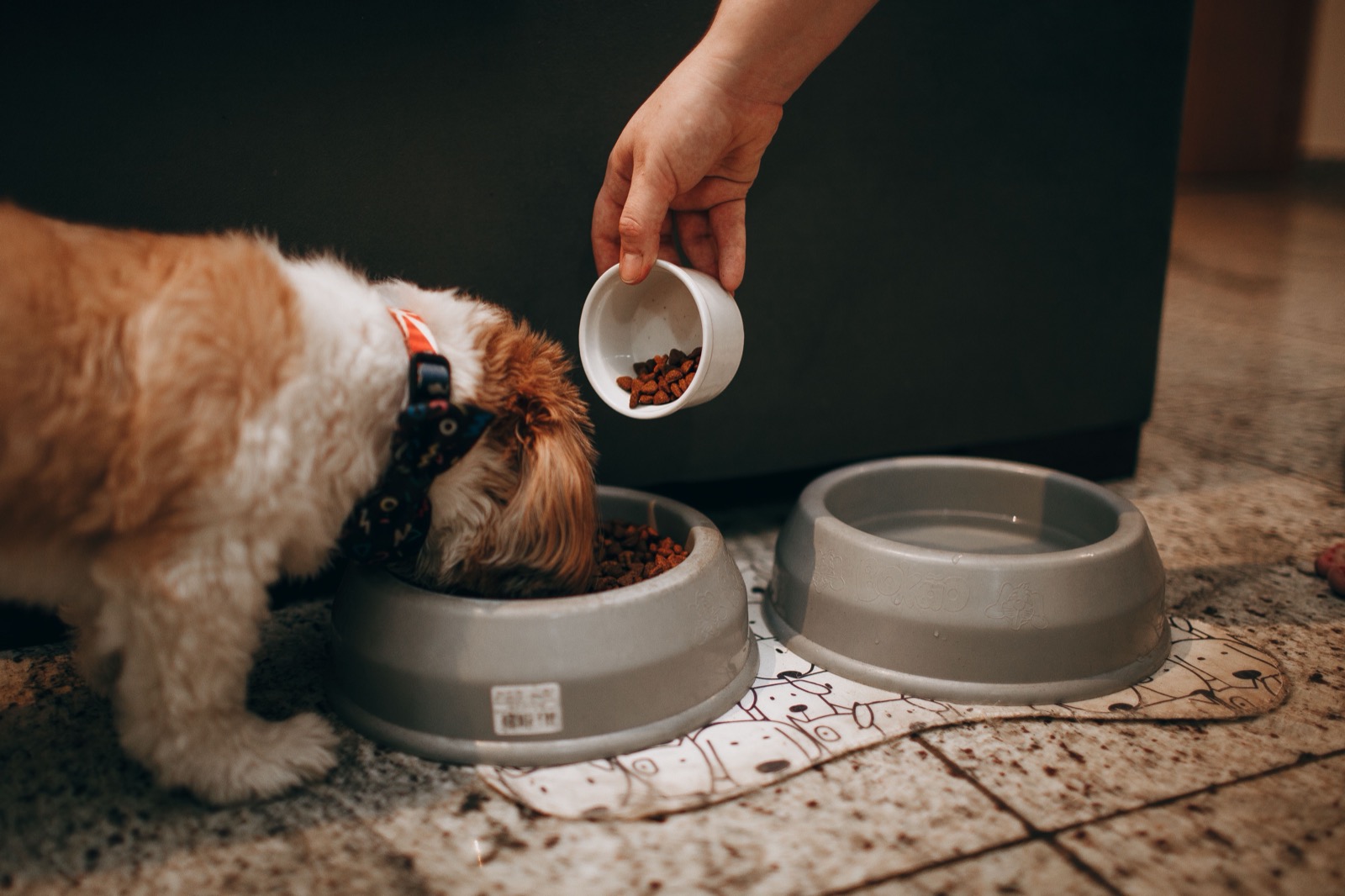
There are few things more satisfying for a dog parent than watching your furry friend romp freely and then, with a single call, have them sprint back to you, tail wagging. It’s a feeling of pure connection and trust. But let's be honest, getting to that point can feel like a distant dream for many. Whether you have a new puppy or an older dog who's a bit hard of hearing when squirrels are involved, teaching a reliable recall is one of the most important skills you can impart. It's not just about convenience; it's about safety, freedom, and building an incredible bond.
Here at Hearth & Hound, we've seen firsthand with Bear (who, despite his boundless energy, has a pretty solid "come!") how a strong recall transforms walks and outdoor adventures. This guide is designed to break down the process into simple, manageable steps, ensuring you and your dog can build that rock-solid "come when called" response together, even with distractions.
Why Teaching a Reliable Recall Matters
A strong recall isn't just a party trick; it's a fundamental skill that profoundly impacts your dog's safety and your peace of mind. Here's why it's so crucial:
- Safety First: A reliable recall can literally save your dog's life, preventing them from running into traffic, encountering dangerous wildlife, or getting lost.
- Off-Leash Freedom: It unlocks the joy of safe off-leash walks in appropriate areas, allowing your dog to explore, sniff, and exercise more freely.
- Stronger Bond: Every successful recall builds trust and reinforces your relationship, showing your dog that coming back to you is always rewarding.
- Better Behavior: It provides a reliable way to interrupt undesirable behaviors (like sniffing something questionable or chasing another dog too enthusiastically) before they escalate.
- Peace of Mind: Knowing your dog will return to you gives you confidence and reduces anxiety during outdoor adventures.
The Core Method: Building a Rock-Solid "Come!"
Teaching a reliable recall is all about positive association and starting simple, then gradually adding distractions. Consistency and high-value rewards are your best friends here. We'll use a special "recall word" that you only use for this purpose, not for everyday "come here" requests. This makes it extra special and meaningful for your dog.
Ingredients (for your training sessions!):
- High-Value Treats: Think tiny pieces of cooked chicken, cheese, hot dogs, or store-bought soft training treats. These should be much more exciting than their regular kibble.
- A Special Recall Word: "Come," "Here," "Magnificent," "Banana!" – whatever you choose, make it unique and exciting. Avoid using it for anything else.
- A Long Line (Optional but Recommended): A 15-30 foot leash for safe practice in open spaces.
- A Calm Environment: Start in a distraction-free area like your living room or a quiet backyard.
- Enthusiasm! Your energy is contagious.
Instructions (Step-by-Step Recall Training):
- The "Party Time!" Game (Phase 1: Building Value):
Start indoors, in a small, enclosed space. Get down on your dog's level, show them a high-value treat, and excitedly say your special recall word (e.g., "Bear, COME!"). As they approach, praise enthusiastically ("YES! Good boy!"), give the treat, and make a mini-fuss. Toss another treat a few feet away so they move off, then repeat. Do 5-10 repetitions per session, several times a day. The goal is to make the recall word synonymous with "best things ever!"
- Introduce Distance (Phase 2: Stretching the Fun):
Once your dog is consistently rushing to you indoors, start increasing the distance. Call them from another room, or when they're mildly distracted by a toy. Keep the rewards high-value and the praise enthusiastic. If they hesitate, shorten the distance and make it easier. Always end on a high note.
- Add Mild Distractions (Phase 3: Real-World Prep):
Move your training outdoors to a quiet, fenced yard. Start with very low distractions – a few leaves blowing, a distant bird. Practice with your dog on a long line. Call them when they're mildly engaged in something else (sniffing, not full-on chasing a squirrel). If they come, massive party! If they don't, gently reel them in with the long line while repeating your recall word, then reward when they reach you. This isn't a punishment; it's a gentle guide to success. Never punish your dog for not coming when called, as this will poison the recall word.
- Practice in Varied Environments (Phase 4: Generalization):
Gradually introduce new locations with increasing levels of distraction – a quiet park, a friend's yard. Always start with your dog on a long line for safety and control. Remember, each new environment is like starting recall training from scratch for your dog, so be patient and lower your expectations initially. Keep those treats extra special!
- The "Surprise!" Recall (Phase 5: Maintaining Enthusiasm):
Don't just call your dog when you need them. Randomly call them during walks or playtime, reward them handsomely, and then immediately release them to go back to what they were doing. This teaches them that coming to you doesn't always mean the fun ends; sometimes, it means a quick, awesome reward and then more fun! This is crucial for maintaining a strong recall over time.
Consistency is key, and so is making it fun! Remember, every successful recall builds confidence in your dog and strengthens your bond. For more ways to make training a treat (literally!), check out our free recipes for five vet-informed dog treat recipes that Bear absolutely adores. They're perfect for training sessions!
Building a Positive Association
The core principle behind a reliable recall is that coming to you is always the best possible outcome. This means:
- Never Punish: If your dog eventually comes to you after a long chase, do NOT scold them. You want them to associate coming back with positive feelings, not fear or punishment. Even if you're frustrated, celebrate their return.
- High-Value Rewards: Regular kibble won't cut it for recall training. Save those super yummy treats for when they respond to your recall word.
- Enthusiasm: Be genuinely excited when your dog comes back. Your joyful tone and praise are part of the reward.
- The "Touch" Command: Teach your dog to touch their nose to your hand. This can be a great way to "capture" them when they come, making it easier to attach a leash or ensure they stay close.
The Long Line: Your Best Friend for Off-Leash Practice
A long line (15-30 feet) is indispensable for recall training. It allows your dog to experience the sensation of "off-leash" freedom while still giving you control. Practice in safe, open, fenced areas. Let the line drag initially, only stepping on it or picking it up if your dog ignores your recall. This teaches them that even with distractions, you can still guide them back, reinforcing the command without resorting to punishment.
Common Mistakes to Avoid
- Using the Recall Word for Nuisance Tasks: Don't use your special recall word to call your dog for baths, nail trims, or to go into their crate if they dislike it. This can poison the word and make them hesitant to come.
- Punishing After a Delayed Recall: Even if your dog takes a while to come, never scold them upon their return. This teaches them that coming to you is a bad thing, making them less likely to come next time.
- Practicing Only When You "Need" It: If you only call your dog when something bad is about to happen (e.g., leaving the park), they'll learn to associate the recall with the end of fun. Practice randomly, and often release them right back to play.
- Not Using High-Value Rewards: If your treats aren't exciting enough, your dog will quickly decide that the squirrel or interesting smell is a better reward than coming to you.
- Expecting Too Much Too Soon: Recall is a skill built over time and in various environments. Don't expect perfection in a busy park after only a few indoor sessions. Be patient and build up gradually.
Frequently Asked Questions
My dog knows "come" indoors but ignores me outside. Why?
This is extremely common! Dogs don't generalize commands easily. To them, "come" in the living room is a completely different command from "come" in a park with exciting smells and sounds. You need to re-teach the recall in each new environment, starting with low distractions and gradually increasing them, always using high-value rewards.
How long does it take to teach a reliable recall?
There's no single answer, as it depends on your dog's breed, personality, age, and your consistency. For some, it might be weeks; for others, months. It's an ongoing process, not a one-and-done lesson. The key is consistent, positive practice in varied environments.
What if my dog is a strong chaser (prey drive)?
Dogs with high prey drive present a greater challenge, but a reliable recall is still achievable. It requires even more dedication, higher-value rewards, and often the use of a long line for a longer period. Focus on building an incredibly strong positive association with your recall word, making you more exciting than any squirrel. Professional help from a certified dog trainer can also be very beneficial.
Should I use a whistle for recall?
A whistle can be an excellent tool! Its sound is consistent, carries further than your voice, and isn't associated with your emotional state. You can "charge" a whistle by pairing its sound with high-value treats, just like you would your verbal recall word. Many people use both a verbal cue and a whistle as backups.
My dog often comes but then runs away before I can grab them. What should I do?
This is often called "drive-by recalls." To fix this, always reward your dog *at your side* or *in your hands* when they come. You can teach a "touch" command (nose to hand) or a "collar grab" game, where you gently grab their collar, give a treat, and immediately release them. This teaches them that coming close and being touched is part of the reward, not the end of fun.
Final Thoughts
Teaching a reliable recall is one of the greatest gifts you can give your dog. It's a journey that builds trust, enhances safety, and deepens your bond, opening up a world of safe adventures together. Be patient, be consistent, and always make coming back to you the most wonderfully rewarding experience possible. With practice and plenty of tasty treats, you and your furry companion will soon be enjoying the freedom and joy of a truly reliable "come!"