How to Calm a Reactive Dog: A Gentle Starting Plan
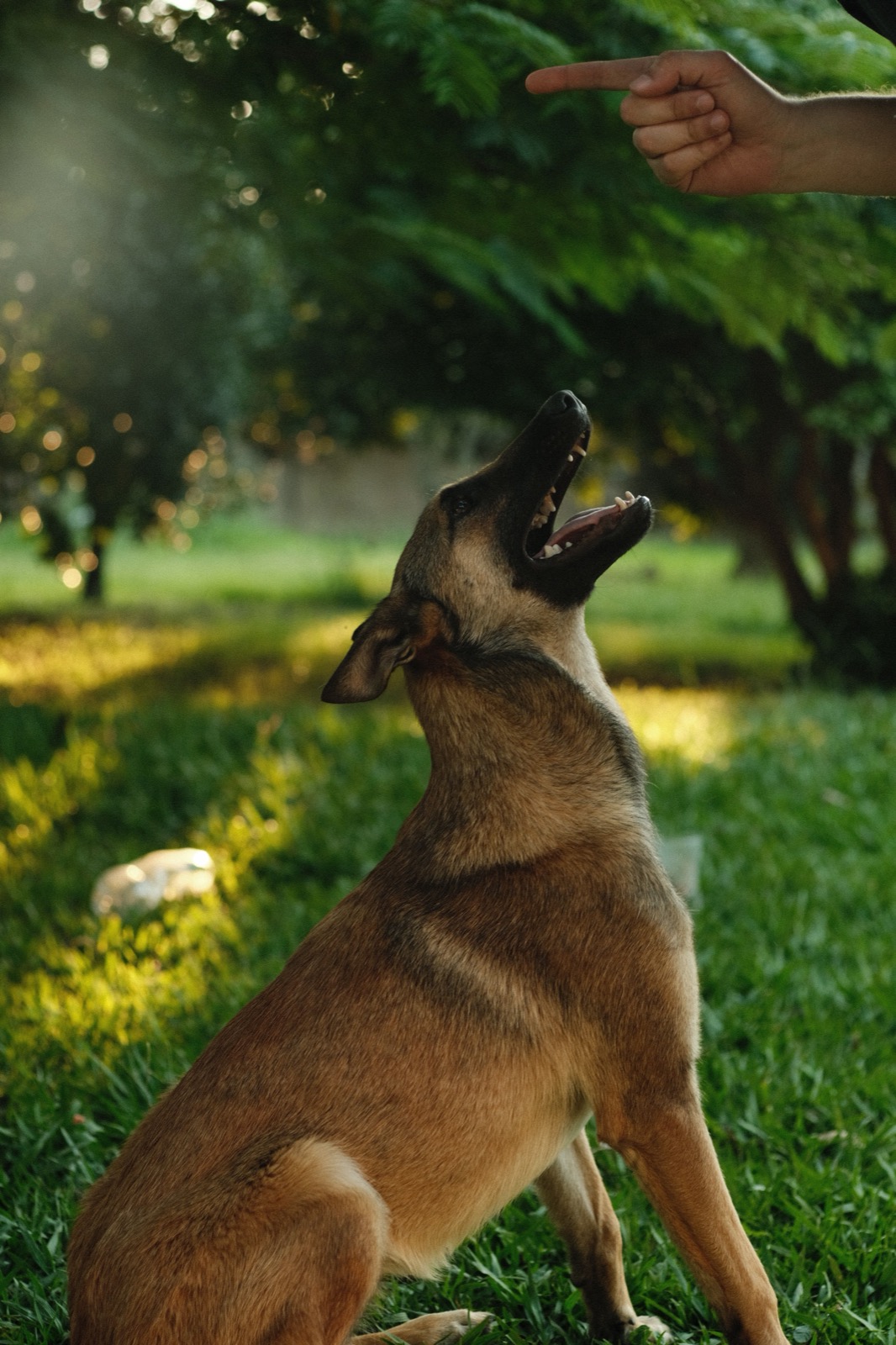
The fastest way to calm a reactive dog is to give them more distance from whatever sets them off, then reward calm behavior before the barking and lunging start. Reactivity is almost always fear or over-arousal, not aggression, and you can't punish it away, punishment usually makes it worse. Here's a gentle, reward-based place to start.
What "reactive" actually means
A reactive dog overreacts to a trigger, another dog, a stranger, a bike, at a level that's out of proportion to the threat. It's an emotional response, not disobedience. Much of it traces back to fear and missed early socialization, which is why calm, positive exposure matters so much when dogs are young (more on that in the AKC's socialization guide). The good news: adult reactivity can improve a lot with the right approach.
Step 1: find the threshold
Your dog has a distance at which they notice a trigger but can still think and take a treat. That's under threshold. Closer than that, they tip over into barking and lunging and can't learn. Your whole job at first is to work at the distance where your dog stays under threshold, even if that's across a parking lot.
Step 2: play the look-and-reward game
At that safe distance, the moment your dog notices the trigger, mark it ("yes") and feed a great treat. Trigger appears, food happens. Done enough times, under threshold, your dog starts to feel good, not threatened, when the trigger shows up, and often checks in with you instead of reacting. Keep sessions short and end on a win.
Step 3: manage the environment
Set your dog up to succeed between training sessions. Cross the street, turn around early, use parked cars as visual barriers, and pick quiet walking times. Every reaction your dog rehearses makes the next one easier, so avoiding blow-ups is part of the training, not a break from it. A well-fitted harness and a solid loose-leash foundation give you more control without adding pressure, and a strong recall helps you create distance fast.
What not to do
- Don't yank the leash, yell, or use a prong or shock collar, pain paired with the trigger can deepen the fear.
- Don't flood your dog by forcing them close to what scares them. It backfires.
- Don't punish the growl. A growl is information; silence it and you lose your warning.
When to call a professional
Reactivity that involves real aggression, a bite history, or that isn't improving deserves professional help. Start with your vet to rule out pain or illness, which can drive reactive behavior, then work with a certified, reward-based trainer or a veterinary behaviorist. This is a case where a pro speeds everything up. For the foundation skills behind this work, our Dog Training 101 guide covers the reward-based basics.
Frequently asked questions
Is a reactive dog an aggressive dog?
Usually not. Most reactivity is rooted in fear or over-excitement, and the big display is meant to create distance, not to attack. That said, reactivity with a bite history needs professional guidance.
Can you fix a reactive dog?
Many reactive dogs improve dramatically with distance management and reward-based training, though some stay sensitive and need lifelong management. "Calmer and safer" is a realistic goal even when "cured" isn't.
How long does it take to calm a reactive dog?
It varies from weeks to many months depending on the dog, the trigger, and consistency. Progress isn't linear, expect good days and setbacks, and measure trends over weeks, not single walks.
Should I avoid the things my dog reacts to?
At first, yes, working under threshold means keeping enough distance to prevent reactions. You reintroduce triggers gradually and on purpose, not by accident on a normal walk.
Building calm takes a solid training base. Grab our free Starter Pack on the homepage, and go deeper with Dog Training 101.